Gambling On Horse Racing Online
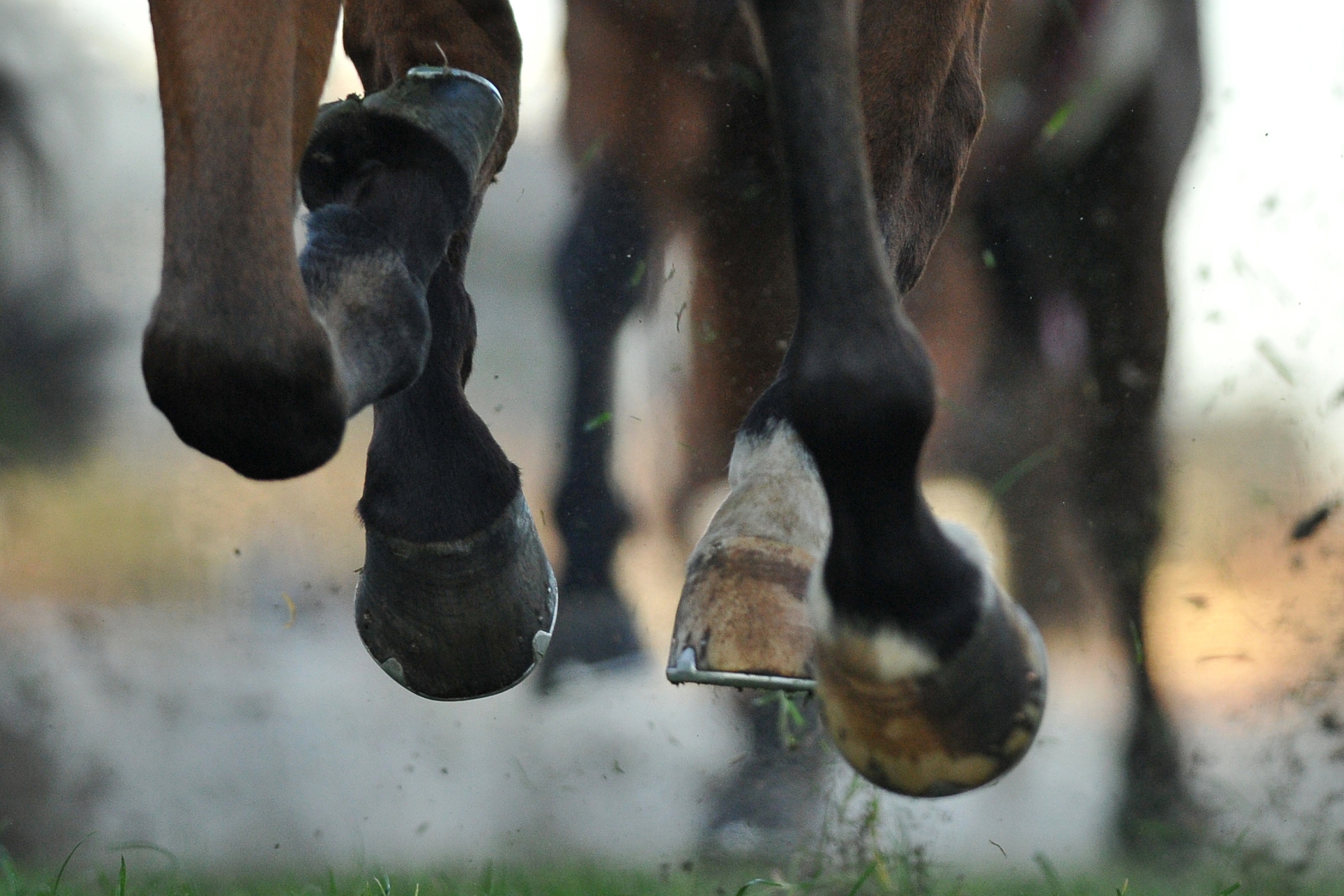
Horse racing has carried a reputation as the sport of kings for centuries, but it has never been more accessible to the everyday bettor than it is right now. Online betting has completely transformed the way people engage with horse racing — removing the need to stand at a trackside window, wait in long queues, or limit choices to whatever races happen to be running locally. Today, a bettor sitting at home can access races from every major track across the world, compare odds across multiple bookmakers in seconds, and place a wager on a race starting in three minutes from a different continent. The experience is faster, broader, and more convenient than anything the traditional model ever offered. But convenience alone does not make someone a smarter bettor. Understanding how online horse racing betting works, what the different bet types mean, how to read form guides, and how to manage money responsibly are what separate an informed bettor from someone simply guessing and hoping for the best. This guide covers all of it.
Why Horse Racing and Online Betting Are Such a Natural Fit
Few sports have a longer or more deeply embedded relationship with betting than horse racing. Unlike most competitive sports where wagering came later as an add-on to the spectacle, horse racing and betting grew up together — the financial stakes involved in racing were part of the sport’s identity from its earliest days. This historical relationship means that horse racing betting infrastructure, both on and offline, is among the most developed and most regulated in the entire sports betting world. For online bettors, this translates into a rich and well-supported experience.
The volume and variety of races available through online platforms is one of the biggest reasons horse racing suits the digital betting environment so naturally. On any given day, major platforms list races from tracks across the United Kingdom, Ireland, the United States, Australia, France, Japan, Hong Kong, and dozens of other racing nations. A bettor with specific knowledge of Australian racing or American turf races is no longer limited to finding a specialized bookmaker — the global market is accessible from a single account on most major platforms. This global reach is something no physical betting shop or trackside operation could ever realistically replicate.
Live streaming has further deepened the connection between online betting and horse racing. Many licensed online bookmakers now stream races live directly within their platforms, allowing bettors to watch the very races they have wagered on in real time without needing a separate television subscription or broadcast service. The combination of live race streaming, real-time odds updates, in-play betting options, and instant payout processing creates an end-to-end racing and betting experience that is genuinely compelling — and that keeps serious horse racing enthusiasts engaged with the sport at a level that simply was not possible before the digital era.
Understanding the Most Common Horse Racing Bet Types
One of the first hurdles for anyone new to betting on horse racing online is getting familiar with the range of bet types available. Unlike sports betting markets where the options are often simpler — win, lose, or draw — horse racing offers a notably wide variety of wagering structures, each with its own risk level, complexity, and potential return. Starting with the most fundamental types and building from there is the smartest approach.
The win bet is the simplest and most straightforward — a bettor picks one horse to finish first in the race, and if that horse wins, the bet pays out according to the odds at the time of placement. The each-way bet is one of the most popular structures in horse racing, particularly for races with larger fields. It is effectively two bets in one — half the stake goes on the horse to win, and the other half goes on the horse to place, meaning to finish within a defined number of positions from first, typically the top two, three, or four depending on the size of the field and the bookmaker’s terms. Each-way betting gives the bettor a degree of protection — even if the selected horse does not win but runs well enough to place, a portion of the bet still pays out.
Exotic bets take things significantly further in terms of complexity and potential reward. An exacta requires picking the first and second place finishers in the correct order. A quinella covers the same two horses but pays out regardless of which finishes first or second. A trifecta demands the first, second, and third place finishers in exact order — a challenging but potentially very lucrative bet in competitive fields. Accumulator-style bets in horse racing, such as doubles, trebles, and full-cover bets like Yankees and Goliaths, link selections across multiple races, with each winner’s returns rolling into the next leg. The potential returns on these bets can be extraordinary, but the difficulty of stringing together multiple correct selections makes discipline and careful selection absolutely essential.
How to Read Form Guides and Make Informed Selections
Successful horse racing betting is not purely about luck — it is about informed decision-making based on the information available. The form guide is the most fundamental tool in a horse racing bettor’s arsenal, and learning how to read and interpret it properly is one of the single most valuable skills anyone serious about this activity can develop. A form guide records a horse’s recent race history — its finishing positions, the distances of those races, the track conditions on race day, the weight carried, the jockey, and the time recorded. Taken together, this information paints a detailed picture of how a horse has been performing and what conditions seem to suit it best.
Track conditions play a particularly significant role in horse racing outcomes and deserve careful attention when assessing a field. Most racing surfaces are rated on a scale that describes how firm or soft the ground is — firm, good, soft, and heavy being the most common descriptors on turf tracks, with fast, good, and sloppy used on synthetic or dirt tracks. Some horses perform markedly better on firm ground while others thrive on heavy going, and a form guide that shows consistently strong finishes on a particular surface type is a meaningful signal when the upcoming race is scheduled under similar conditions.
Beyond the form guide itself, understanding pace and race dynamics adds another layer of analysis. Knowing whether a horse tends to race prominently at the front of the field or prefers to come from behind, and how many other horses in the same race share the same running style, helps predict how a race is likely to develop. A race full of front-runners with only one deep-closer in the field sets up very differently from a race where most horses prefer to track the pace before accelerating late. These contextual factors — conditions, pace, recent form, jockey record, and trainer performance — combined with sensible odds evaluation, give a bettor a genuinely informed basis for making selections rather than relying on intuition or random picks.
Choosing the Right Online Platform for Horse Racing Betting
Not every online bookmaker serves horse racing bettors equally well, and choosing the right platform makes a meaningful difference to the overall experience. The depth of the racing markets offered is the first thing to evaluate — a platform that covers only domestic races from one or two countries limits options significantly compared to one that streams and accepts bets on races from dozens of jurisdictions worldwide. For a bettor with broad interests or specific expertise in a particular racing nation, market coverage is a non-negotiable consideration.
Odds competitiveness is another area where platforms differ considerably. Because horse racing is a global and highly liquid betting market, the margins bookmakers apply to their prices can vary noticeably from one platform to another. A small difference in odds might not seem significant on an individual bet, but across dozens of bets over a month or a season, consistently getting slightly better prices from a more competitive bookmaker adds up to a meaningful financial difference. Comparing prices across platforms before placing a significant bet — a practice known as line shopping — is a habit that experienced horse racing bettors develop as a matter of routine.
Within the broader world of gambling, horse racing occupies a unique space because of the skill element involved in interpreting form and assessing value — but that skill element only pays off when the platform supporting the bet is trustworthy, properly licensed, and fair in its operations. Checking that any platform carries a valid license from a recognized regulatory authority, offers transparent terms on promotions and payouts, and provides accessible customer support is the responsible baseline for any bettor before depositing funds. Features like early price offers, best odds guaranteed promotions — which automatically upgrade a bettor’s odds if the starting price ends up higher than the price taken — and race replays are additional bonuses that the best horse racing betting platforms offer to give their users a genuine edge and a richer overall experience.
Bankroll Management and Responsible Betting in Horse Racing
Horse racing, for all its excitement and analytical depth, carries the same financial risks as every other form of betting — and managing those risks intelligently is what determines whether the hobby remains enjoyable over the long term. Bankroll management in horse racing betting means treating the money set aside for betting as a dedicated fund with clearly defined rules, rather than dipping freely into everyday finances whenever the urge to place a bet arises. Setting a fixed budget for a racing season, a month, or even a single race day and sticking to it regardless of outcomes is the foundation of responsible engagement with the sport.
Stake sizing is closely connected to bankroll management and deserves equal attention. A widely practiced approach is to limit individual bets to a set percentage of the total bankroll — typically between one and five percent — so that a losing run does not wipe out the entire betting fund before better results have a chance to come. This proportional staking approach allows bettors to stay in the game through inevitable downswings without the emotional and financial devastation of chasing losses with oversized bets in an attempt to recover quickly. Chasing losses is one of the most reliably destructive patterns in horse racing betting, and the best way to avoid it is to build protective structures into the approach from the very beginning.
Setting clear win and loss limits for any given betting session is another practical tool. Deciding in advance to stop betting for the day after reaching a certain profit target — or after absorbing a predetermined maximum loss — removes the in-the-moment temptation to keep going past the point of sensible engagement. Most reputable online platforms also provide responsible gambling tools such as deposit limits, cooling-off periods, session reminders, and self-exclusion options that allow bettors to set boundaries on their own activity. Using these tools is not a sign of weakness — it is a sign of the kind of self-awareness and discipline that keeps horse racing betting in its proper place as a form of entertainment rather than a financial obligation.
Conclusion
Betting on horse racing online brings one of the world’s oldest and most storied sports directly to the fingertips of anyone with an interest in the action — and it does so with a level of choice, convenience, and analytical support that no previous generation of racing enthusiasts has ever had access to. From understanding the full range of bet types and learning to interpret a form guide, to selecting the right platform and managing a betting bankroll with genuine discipline, every element covered in this guide is designed to help bettors engage with online horse racing in a way that is both informed and responsible. The sport rewards those who do their homework, respect the unpredictability of live competition, and approach every betting decision as a considered assessment of value rather than a casual gamble on gut feeling. Horse racing is endlessly fascinating precisely because no amount of preparation can fully predict what happens when the gates open — but preparation absolutely improves the quality of every decision made before they do.