The Right Plumber For The Right Problem: How To Match Plumbing Skills To Every Water And Leak Issue In Your Home
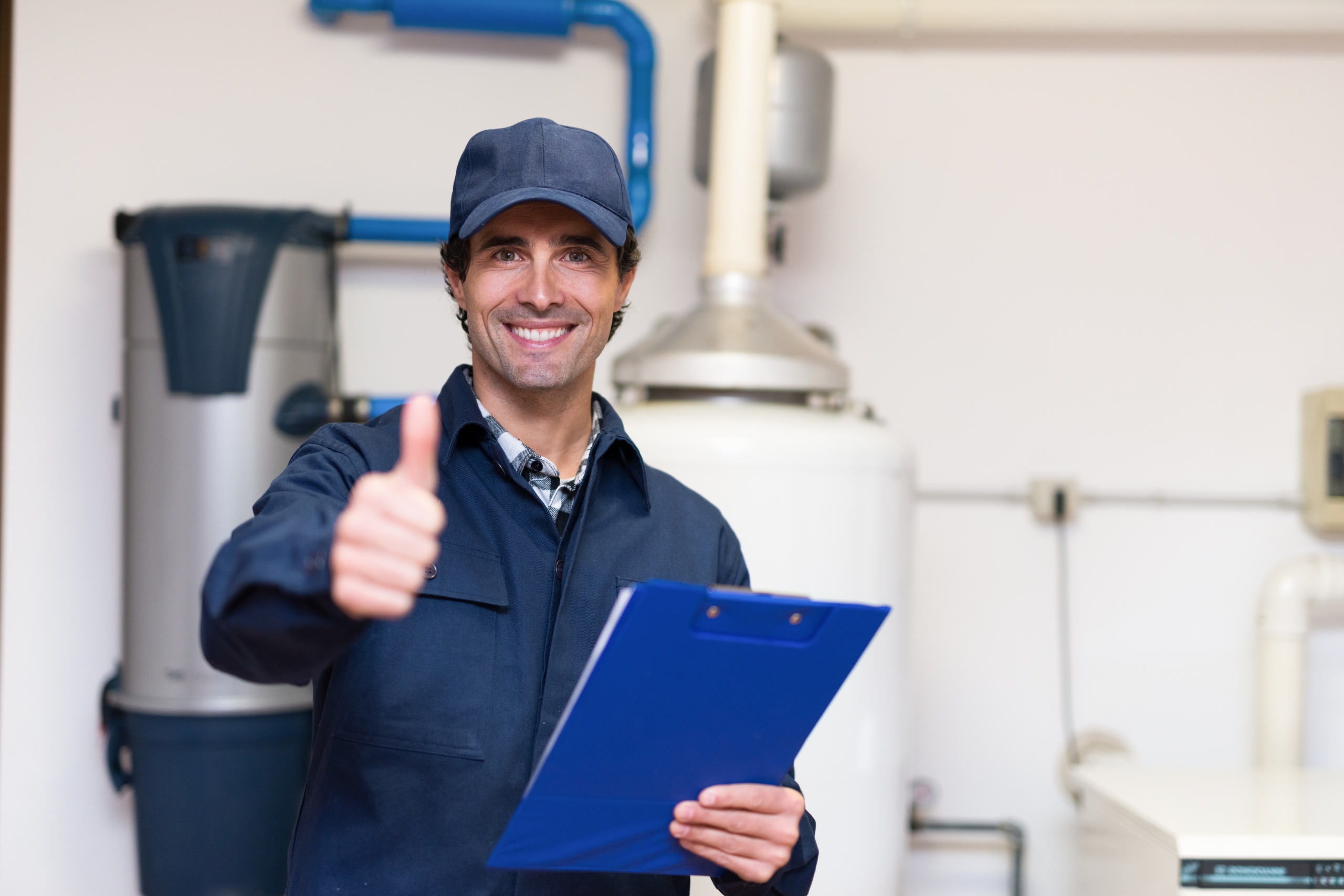
Not every plumber is trained to handle every plumbing problem — and understanding that distinction can save homeowners a significant amount of time, money, and frustration. Calling the wrong specialist for a specific issue often results in a wasted service visit, a referral to someone else, and a delay in getting the actual problem resolved. When water is leaking, pressure is dropping, or a pipe has just burst, none of those delays are welcome. The truth is that the plumbing trade is broader and more specialized than most homeowners realize. Different plumbers develop expertise in different areas — drainage systems, gas fitting, water supply lines, pipe relining, bathroom installations, and more — and knowing what each type of specialist handles means the right person gets called from the very beginning. This guide breaks down the key skills found across the plumbing profession, explains which household water and leak problems each skill set is best suited to solve, and gives homeowners the practical knowledge to make faster, smarter decisions when something goes wrong.
General Plumbers: The First Call for Most Household Problems
The general plumber is the most commonly encountered type of plumbing professional and the right first call for the majority of everyday household water problems. A licensed general plumber is trained and equipped to handle a broad range of standard residential issues — leaking taps and fixtures, blocked sinks and toilets, running toilets, low water pressure, faulty hot water systems, burst pipes, and basic bathroom or kitchen plumbing repairs. Their breadth of knowledge across multiple areas of residential plumbing makes them the most practical starting point when a problem has not yet been specifically diagnosed.
What distinguishes a good general plumber is not just the range of problems they can address but the speed and accuracy with which they diagnose what is actually going on before attempting a fix. Many household water problems are symptoms of a deeper issue rather than isolated faults — a repeatedly blocked drain may indicate a root intrusion or a collapsed section of pipe further down the line, while persistently low pressure might point to a partially closed valve, a failing pressure regulator, or a hidden leak in the supply line. A skilled general plumber recognizes when a problem is within their scope and when it requires a more specialized assessment, which is itself a valuable form of expertise.
For homeowners, the practical takeaway is straightforward. If the problem involves a dripping tap, a slow or blocked drain, a running toilet, a leaking pipe under a sink, or a hot water system that has stopped working properly, a licensed general plumber is the appropriate first call. They will assess the situation, carry out repairs within their scope, and refer to a specialist if the investigation reveals something that requires deeper or more targeted expertise. Building a relationship with a reliable general plumber before an emergency strikes — rather than searching urgently in a crisis — is one of the most genuinely useful things a homeowner can do to protect their property.
Drainage Specialists: When the Problem Is Below the Surface
Drainage specialists focus specifically on the systems that remove waste water and sewage from a property — and the problems they deal with are often more serious, more hidden, and more technically demanding than those handled by a general plumber. While a simple blocked drain caused by accumulated hair or grease can usually be cleared by a general plumber, issues that originate further down the drainage system — in the underground pipes that carry waste away from the property entirely — typically require the tools, training, and diagnostic capability of a dedicated drainage professional.
One of the most important tools in a drainage specialist’s kit is a CCTV drain camera — a flexible, waterproof camera system that can be fed through pipes to produce a live video feed of what is happening inside the drainage system at depths and distances that no visual inspection from above ground could ever reveal. This technology allows drainage specialists to identify precisely where a blockage is located, what is causing it, whether a pipe section has collapsed or cracked, whether tree roots have infiltrated the system, and whether the gradient of the pipe is allowing waste to flow freely or is causing recurring pooling and blockage. Without this diagnostic capability, addressing deep drainage problems is essentially guesswork.
Pipe relining is another specialized skill that sits firmly within the drainage specialist’s domain. Rather than excavating and replacing a damaged underground pipe — a process that can be enormously disruptive and expensive, particularly in established gardens or under concrete surfaces — pipe relining involves inserting a resin-saturated liner into the existing damaged pipe and curing it in place to form a new, smooth inner surface. The result is a structurally sound pipe within a pipe, achieved with minimal disruption to the surrounding area. Homeowners experiencing recurring drain blockages, sewage odors, slow-draining fixtures across multiple rooms simultaneously, or patches of unusually lush or sunken ground in the garden should consider a drainage specialist rather than a general plumber as their first point of contact.
Gas Plumbers and Hot Water Specialists: Safety-Critical Expertise
Gas plumbing is one of the most tightly regulated areas of the entire plumbing trade, and for very good reason. Work involving gas lines, gas appliances, and gas-powered hot water systems carries inherent safety risks that require a specifically licensed and trained professional — not just any licensed plumber. In most jurisdictions, performing gas work without the appropriate gas fitting license is illegal regardless of the person’s general plumbing qualifications, and homeowners should always verify that the person they are calling for gas-related work holds the specific credentials required for that category of work in their region.
Hot water system issues are among the most disruptive plumbing problems a household can experience, and they often involve both plumbing and gas components simultaneously — making a hot water specialist the appropriate professional for these jobs. Whether the system in question is a gas storage water heater, a gas continuous flow system, an electric heat pump, or a solar hot water setup with a gas booster, the diagnosis and repair of these systems requires familiarity with the specific technology involved. A hot water specialist understands the pressure and temperature relief valves, the thermostat and burner assemblies, the anode rods that protect the tank from corrosion, and the signs that a system is approaching the end of its serviceable life versus one that simply needs a component replaced.
Gas leak detection is one area where absolutely no delay and no compromise on professional credentials is acceptable. If a gas smell is detected anywhere in a property, the appropriate immediate actions are to avoid operating any electrical switches, open windows if it is safe to do so, evacuate the property, and call the gas emergency service line before calling a plumber. Once the immediate danger has been assessed by the emergency service, a licensed gas plumber is the correct professional to locate and repair the source of the leak, test the system for integrity, and certify that it is safe before the gas supply is restored. This is not a situation for general handyman services or unlicensed contractors under any circumstances.
Leak Detection Specialists: Finding the Hidden Problems Others Miss
Not all leaks announce themselves with visible water on a floor or a dripping sound from inside a wall. Some of the most damaging leaks in a home are entirely silent and invisible — slowly saturating structural materials, promoting mold growth, and inflating water bills for months or even years before anyone realizes what is happening. Leak detection specialists exist specifically to find these hidden problems using diagnostic tools and techniques that go far beyond what a general plumber carries to a standard service call.
The tools used by leak detection professionals include thermal imaging cameras, which detect temperature differences in walls, floors, and ceilings caused by the presence of moisture — an exceptionally effective method for locating leaks inside wall cavities without requiring any demolition. Acoustic listening devices amplify the sound of water escaping from pressurized pipes, allowing specialists to pinpoint a leak’s location within the pipe network with remarkable accuracy even when it is buried underground or concealed inside a concrete slab. Tracer gas testing — where a harmless gas mixture is introduced into the pipe system and detected at the surface with a sensitive probe — is another highly precise method used for locating leaks in underground supply lines or heated floor systems.
The signs that a leak detection specialist rather than a general plumber should be the first call include an unexplained and sustained increase in water bills with no obvious visible cause, the sound of running water when all fixtures are turned off, warm or cold patches on floor surfaces without an obvious explanation, damp patches appearing on walls or ceilings without a visible source above them, and a water meter that continues to move when all taps and appliances in the property are turned off. Early engagement of a leak detection specialist in these situations almost always results in a less invasive, less expensive repair than allowing a hidden leak to continue unaddressed until the damage it is causing becomes impossible to ignore.
Bathroom and Kitchen Installation Plumbers: Specialists in Fit-Out and Renovation
Renovation and installation plumbing is a distinct skill set that goes significantly beyond the diagnostic and repair work that defines most of the specializations discussed so far. Plumbers who specialize in bathroom and kitchen fit-outs work closely with renovation contractors, interior designers, and homeowners to plan, rough-in, and complete the full plumbing component of new or refurbished wet areas — from the initial pipe layout through to the final connection of fixtures and appliances. Their work is as much about planning and coordination as it is about technical plumbing skill.
Rough-in plumbing — the stage of a renovation where supply pipes and drain lines are positioned within the wall and floor structure before surfaces are closed up — requires careful planning and precise execution. The positions of drains, the heights of fixture connections, the locations of shut-off valves, and the routing of hot and cold supply lines all need to be established correctly at this stage, because adjusting them after walls and floors have been tiled or plastered is an extremely costly and disruptive process. An installation plumber with strong renovation experience understands how to read architectural plans, coordinate with other trades, and anticipate the practical requirements of the fixtures being installed — including the specific connection dimensions and clearances needed for the chosen basins, baths, showers, and toilets.
In the broader context of plumbing services, the installation specialist also handles the connection of kitchen appliances such as dishwashers, instant hot water taps, and refrigerators with water dispensers — tasks that require clean, secure connections and properly functioning shut-off valves that are easily accessible for future maintenance. A homeowner planning a bathroom renovation, a kitchen upgrade, or any project that involves relocating or adding plumbing fixtures should engage a renovation-experienced installation plumber from the planning stage rather than waiting until the building work has already begun. Bringing them in early prevents costly layout errors, ensures the plumbing design suits both the aesthetic vision and the practical requirements of the space, and results in a finished installation that functions reliably for years without the need for remedial work.
Conclusion
Understanding the different skills and specializations within the plumbing trade is one of the most practical pieces of knowledge a homeowner can have — because when water is the problem, the speed and accuracy of the response matters enormously. A general plumber handles the broad range of everyday repairs and is the right first call for most situations. A drainage specialist brings the technology and expertise needed for underground pipe problems and recurring blockages. A licensed gas plumber or hot water specialist handles anything involving gas lines or complex hot water systems. A leak detection expert finds the hidden leaks that cause the most insidious long-term damage. And a renovation installation plumber ensures that new bathrooms and kitchens are built on a plumbing foundation that performs exactly as intended from day one. Knowing which of these professionals to call before the problem happens — rather than scrambling to figure it out in the middle of a crisis — is the kind of preparation that saves both time and money when it matters most.