Got A Sweet Tooth? The World’s Best Dessert Destinations And The Iconic Treats You Have To Try
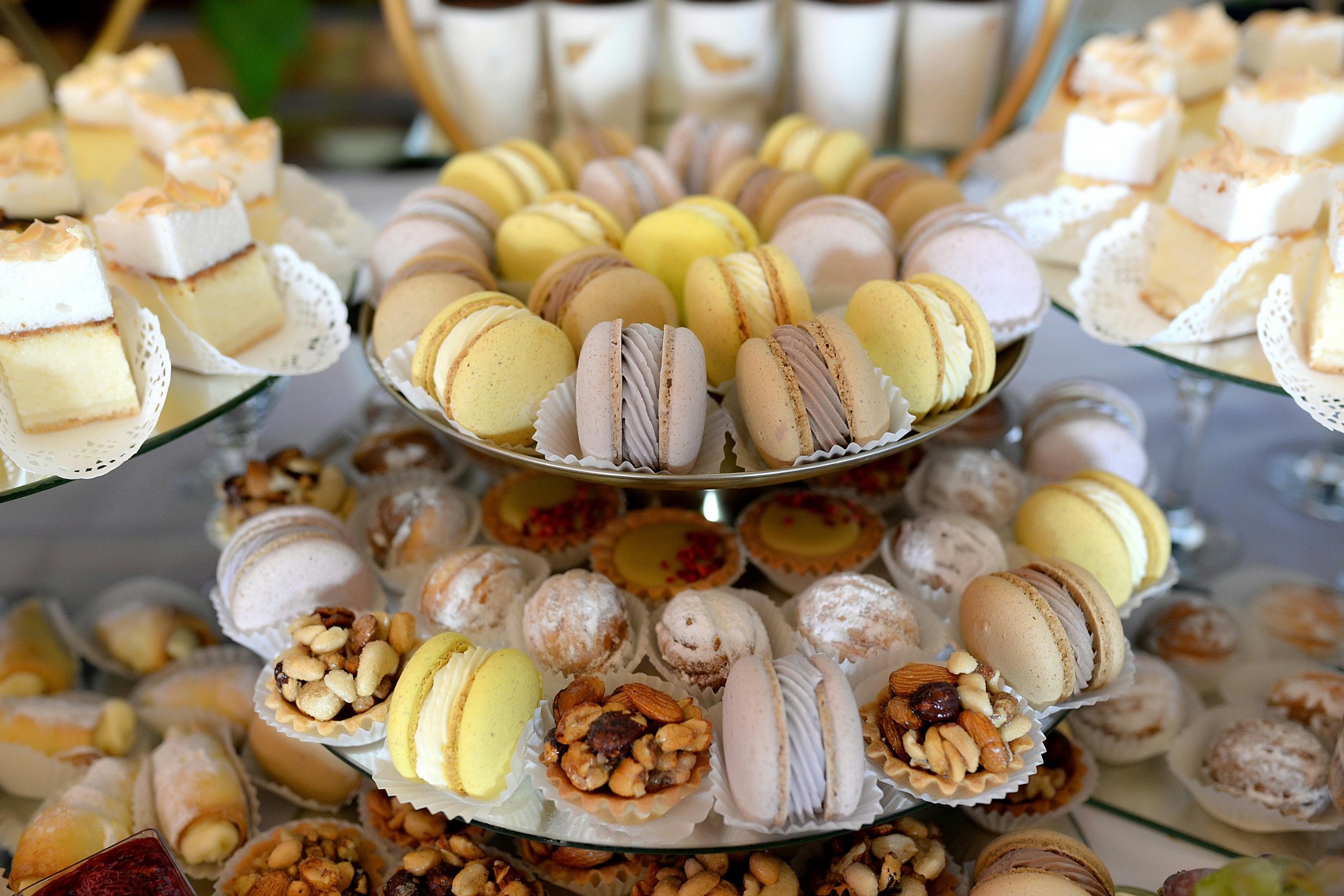
There is something universally human about the craving for something sweet. Across every culture, every continent, and every culinary tradition on earth, desserts and confections hold a special place — not just as food, but as expressions of heritage, celebration, and comfort. And while great desserts can be found almost anywhere, certain cities and regions around the world have elevated the art of sweet-making to a level that genuinely deserves to be called a destination in its own right. From the butter-rich pastry windows of Paris to the syrup-soaked delicacies of Istanbul, the hand-rolled mochi shops of Tokyo to the churro-and-chocolate cafes of Madrid, the world’s great sweet destinations offer experiences that go far beyond simply satisfying a sugar craving. They tell stories — of local ingredients, centuries-old techniques, and the deeply personal ways different cultures express joy through food. This guide takes a tour of the most celebrated sweet destinations on earth and the iconic treats that make each one completely unmissable.
Paris, France: The Undisputed Capital of Pastry Perfection
When it comes to desserts and sweet treats, no city in the world carries quite the same weight of reputation as Paris. French patisserie is widely regarded as the gold standard of pastry-making — a craft so technically demanding and so deeply embedded in national culture that it has its own dedicated professional qualification. Walking through the streets of Paris and stopping at the window of a well-appointed patisserie is one of the great small pleasures of travel, and the range of what is on offer behind that glass is nothing short of extraordinary.
The croissant is perhaps the most globally recognized product of French baking — but tasting one freshly made from a quality Parisian boulangerie on a cold morning is a completely different experience from anything sold in a fast food chain or airport kiosk. The layering of butter through the dough, the shattering crunch of the outer crust, and the soft, pull-apart interior are the result of a lamination process that takes considerable skill and patience to execute properly. Beyond the croissant, the macaron — those jewel-colored sandwich cookies with ganache or buttercream centers — has become one of the most photographed and sought-after sweet souvenirs from any visit to the city.
For those willing to go deeper, the world of French patisserie opens up into an almost endless collection of masterworks. The mille-feuille, with its alternating layers of flaky pastry and rich cream, demands precise handling at every stage. The tarte tatin — a caramelized upside-down apple tart with origins in the Loire Valley — balances sweetness and acidity in a way that feels effortless. And the Paris-Brest, a choux pastry ring filled with praline cream that was originally created to celebrate a famous bicycle race, represents the kind of creativity and storytelling that makes French pastry so much more than just sugar and butter. A serious sweet traveler could spend a full week in Paris doing nothing but working through its patisseries and still feel there was more left to discover.
Tokyo, Japan: Where Precision and Artistry Meet in Every Bite
Tokyo’s dessert culture is a world unto itself — a fascinating combination of ancient confectionery traditions and boundary-pushing modern innovation that produces sweet experiences unlike anything found anywhere else on earth. Japan has a deep and centuries-old relationship with its traditional sweets, collectively known in the local culture as wagashi, which are closely tied to the tea ceremony and designed to be as visually beautiful as they are delicious. But what makes Tokyo especially remarkable as a dessert destination is how seamlessly it holds both its ancient traditions and its contemporary creativity in the same hand.
Traditional Japanese confections center around ingredients like red bean paste, mochi rice dough, and matcha green tea — flavors that are earthy, subtly sweet, and very different from the sugar-forward approach of Western desserts. Daifuku — soft mochi parcels filled with sweetened red bean paste or fresh strawberries — are sold everywhere from street stalls to department store food halls, each one a small, perfectly formed package that manages to be simultaneously humble and exquisite. Dorayaki, the pancake sandwich filled with red bean paste that has been a beloved comfort treat in Japan for generations, offers a warmth and simplicity that is deeply satisfying in the best possible way.
On the modern side, Tokyo has become the global epicenter of dessert innovation. Towering crepe cakes assembled with dozens of paper-thin layers and luscious cream fillings, soft-serve ice cream in flavors ranging from black sesame and roasted soybean to cherry blossom and sea salt, and meticulously crafted parfaits served in tall glasses layered with fruit, jelly, cream, and cereal are all part of the contemporary Tokyo dessert landscape. The city’s dedication to visual presentation — the idea that a dessert should be genuinely beautiful before it is tasted — means that even the most casual sweet shop in Tokyo approaches its products with an artistic seriousness that is both impressive and deeply enjoyable for anyone with a genuine love of food.
Istanbul, Turkey: A City That Takes Its Sweets Seriously
Istanbul occupies a unique position in the world of sweet destinations — a city that sits literally at the crossroads of Europe and Asia, and whose dessert traditions reflect centuries of culinary exchange, imperial influence, and an unapologetic love of sugar, syrup, and nuts. Turkish sweets are bold, generous, and deeply satisfying — designed to be shared, savored slowly, and always accompanied by a small glass of strong tea. Visiting Istanbul without dedicating serious time and appetite to its sweet offerings is quite simply missing one of the most important parts of what the city has to offer.
Baklava is the name most immediately associated with Turkish desserts in the wider world, and the version made in Istanbul — and particularly in the city of Gaziantep in southern Turkey, which holds a protected designation of origin for its baklava — is in a different category entirely from the versions sold in most international Middle Eastern restaurants. Made with paper-thin layers of hand-stretched dough, high-quality pistachios or walnuts, clarified butter, and a sugar and lemon syrup that soaks every layer without making the pastry soggy, a properly made piece of baklava is an exercise in balance and restraint that belies its reputation as a heavily sweet dessert. It is rich, yes — but when made correctly, it is also delicate.
Beyond baklava, Istanbul’s sweet landscape extends into territory that surprises and delights visitors who arrive expecting to find only what they already recognize. Turkish delight — called lokum in the local language — in its authentic form bears almost no resemblance to the packaged versions sold in tourist shops. Fresh lokum from a dedicated confectioner is soft, perfumed with rose water or citrus, studded with pistachios, and dusted in fine powdered sugar. Kadayif, a shredded wheat pastry soaked in syrup and filled with clotted cream or cheese, provides a textural contrast that is genuinely exciting. And sutlac, a baked rice pudding with a beautifully caramelized top, represents the simpler, homelier side of Turkish dessert culture — understated, warming, and quietly magnificent.
New York City, United States: The World’s Greatest Dessert Melting Pot
New York City’s dessert scene is unlike that of any other city in the world for one very specific reason — it is not the product of a single culinary tradition but of dozens of them, layered on top of each other across generations of immigration, creativity, and cultural exchange. The result is a sweet landscape that spans classic Jewish bakeries in Brooklyn, Italian pastry shops in the Bronx, French patisseries in Manhattan, and some of the most innovative modern dessert concepts anywhere on the planet — all operating within the same few square miles and often within a few blocks of each other.
The New York cheesecake is one of the city’s most iconic contributions to the global dessert lexicon. Dense, rich, and built on a buttery graham cracker crust, a proper New York cheesecake has a specific gravity and creaminess that lighter European versions simply do not replicate. The key is the high proportion of full-fat cream cheese and the slow, careful baking method that produces a surface with just the faintest golden color and an interior that is velvety smooth all the way through. Junior’s in Brooklyn, which has been making its famous cheesecake since 1950, remains the most famous address for this particular experience — but the city’s neighborhood bakeries offer their own compelling versions on almost every block.
On the more contemporary end of New York’s food scene, the city has produced some of the most talked-about dessert trends of the past two decades. The cronut — a croissant-doughnut hybrid created by French-born pastry chef Dominique Ansel — generated queues around the block when it debuted and sparked a global wave of hybrid pastry innovation that shows no signs of slowing down. Milk Bar, the dessert brand built by chef Christina Tosi, introduced the world to crack pie, cereal milk soft-serve, and the now-legendary naked cake assembled with layers of flavored crumbs and intensely flavored frosting. In a city that has always rewarded ambition and creativity, the dessert world is no different — and the treats available on its streets and in its bakeries reflect a restless, inventive energy that makes New York one of the most exciting food destinations in the world.
Vienna, Austria: The Grand Tradition of the Coffee House Dessert
Vienna occupies a singular place in European dessert culture — a city where the tradition of sitting in an ornate coffee house for several hours, working through a slice of cake and several cups of coffee, is not just socially acceptable but practically considered a civic duty. The Viennese coffee house is a UNESCO-recognized cultural institution, and the cakes and pastries served within them are central to the experience in a way that goes far beyond simple refreshment. They are part of the ritual, the atmosphere, and the city’s deeply held sense of itself.
The Sachertorte is perhaps the most famous cake in Austrian history — a dense, moist chocolate sponge layered with apricot jam and covered in a smooth dark chocolate glaze that carries an almost architectural elegance. Its origins are the subject of one of the most entertaining legal disputes in culinary history, with two of Vienna’s most celebrated establishments — Hotel Sacher and Cafe Demel — both claiming the right to produce the original version for decades. The authentic Sachertorte from Hotel Sacher is still served today in the same city-center hotel where it was first created in the nineteenth century, and eating a slice in the hotel’s cafe with a dollop of lightly whipped cream on the side is an experience that is simultaneously simple and deeply historical.
The apple strudel — thin, stretched pastry wrapped around a filling of thinly sliced apples, raisins, cinnamon, and breadcrumbs — represents a different but equally important chapter of Viennese baking. The stretching of the dough to near-transparency before it is filled and rolled requires a practiced, confident technique that Viennese bakers have refined over centuries. Linzer torte, considered one of the oldest documented cake recipes in the world, offers a buttery almond and spice pastry base topped with a lattice of the same dough over a layer of black currant jam — simple in concept, deeply satisfying in execution. In the world of food, Vienna represents a particular kind of sweet culture — one where the emphasis is less on spectacle and more on the kind of quiet, assured excellence that only comes from centuries of practice.
Bruges, Belgium: The Undisputed Chocolate Capital of the World
If there is one city in the world that has built its entire identity most completely around a single sweet ingredient, it is Bruges in Belgium. This medieval city in the northwest of the country is home to more chocolate shops per square kilometer than anywhere else on earth, and the quality of Belgian chocolate produced here consistently sets the benchmark against which the rest of the world measures itself. Walking through Bruges is a sensory experience defined as much by the warm, rich aroma drifting from open shop doors as by the visual beauty of its canal-lined streets and centuries-old architecture.
Belgian chocolate is distinguished by its use of high-quality cocoa butter, pure cocoa mass, and a commitment to tempering and conching processes that produce a chocolate with a particularly smooth, complex, and long-finishing flavor. The praline — a filled chocolate bonbon with a ganache, nut paste, or cream center — was invented in Belgium in the late nineteenth century and remains the product most closely associated with the Belgian chocolate tradition. Bruges is home to dozens of artisan chocolatiers, each with their own signature collections, flavor profiles, and visual aesthetics — from simple squares of dark chocolate to elaborately hand-painted showpieces that look almost too beautiful to eat.
Beyond chocolate, Bruges also offers an exceptional waffle experience that adds another layer to its reputation as a sweet destination. The Belgian waffle comes in two distinct styles — the Liege waffle, made from a yeasted dough enriched with pearl sugar that caramelizes during cooking to create crisp, amber pockets of sweetness across its surface, and the Brussels waffle, lighter and crispier with a more rectangular shape, traditionally served with whipped cream and fresh strawberries. Both are exceptional in their own way, and tasting them fresh from a street vendor in Bruges — where the recipe has been refined over generations — is one of those simple food experiences that stays in the memory long after the trip is over.
Conclusion
The world’s greatest sweet destinations share something important beyond simply offering exceptional desserts — they offer a genuine window into the culture, history, and character of the places that produced them. Whether it is the technical mastery of a Parisian patisserie, the artistic precision of a Tokyo mochi shop, the syrup-drenched generosity of an Istanbul baklava house, the creative restlessness of a New York dessert kitchen, the quiet elegance of a Viennese coffee house, or the chocolate-saturated streets of Bruges, every destination covered in this guide tells a story through its sweets that no museum or guidebook can fully replicate. For anyone who loves food in the way it deserves to be loved — as an expression of human creativity, tradition, and joy — adding at least one of these destinations to the travel list is not a luxury. It is a genuinely enriching experience that satisfies far more than just the sweet tooth.